The network in a new development should support the way the property will be used: residents working from home, businesses trading, guests connecting in shared spaces and operators managing the building.
Planning direct fibre early gives those requirements a place in the design. It also creates an opportunity to coordinate the connection from the street, through the building and into each premises before access becomes difficult.
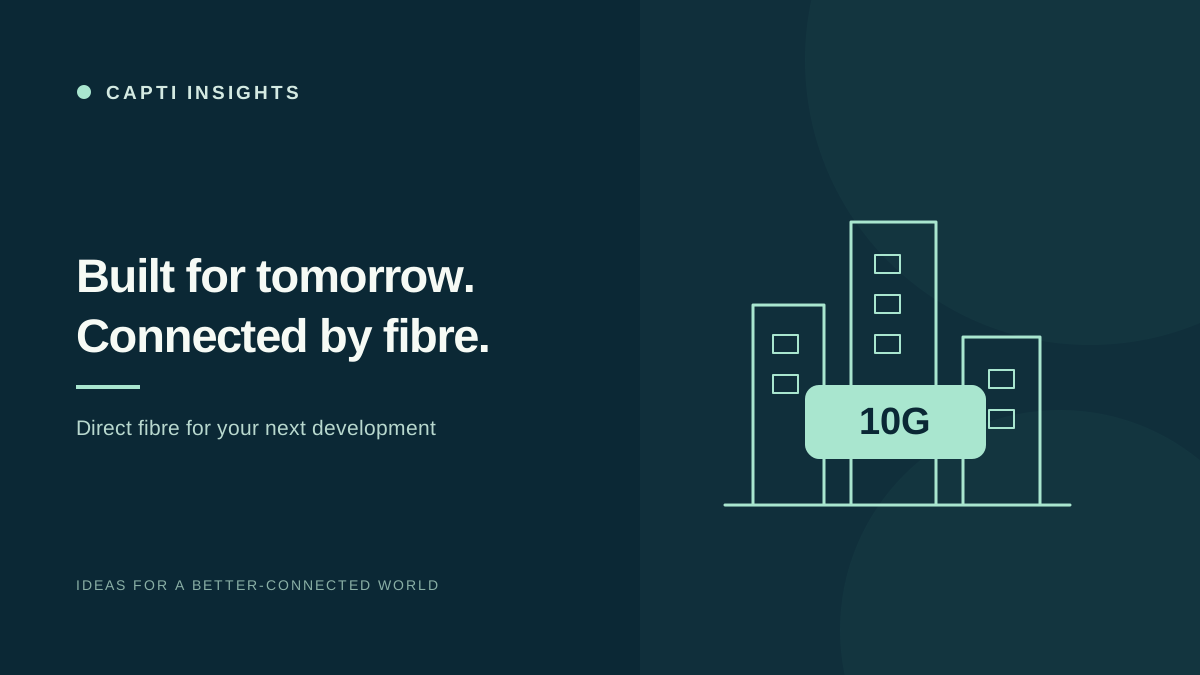
Capti can assess a 10Gbps-capable fibre network for your next development, with a proposal based on the site, delivery programme and services you want to offer.
What does 10Gbps-capable actually mean?
It describes the capability of the proposed network platform. It does not mean every resident receives a dedicated 10Gbps internet service or that a phone will achieve that speed over Wi-Fi.
Ask the proposal to distinguish the access-network design, shared capacity, external connectivity and available retail plans. Individual performance also depends on the selected service, router, wired interfaces and devices.
That distinction helps the sales and leasing teams describe the offer accurately. A well-designed platform gives the property room to grow, with specific service commitments established in the commercial proposal.
Carry fibre to the places people use it
A development brief should identify apartments, commercial tenancies, management offices and shared areas. Each may need a different service arrangement even where common pathways are used.
Direct fibre into individual premises avoids relying on a final copper telephone pair for that connection. Inside an apartment, the fibre termination, router position and data cabling still need deliberate design. A fibre box hidden in a metal cupboard does not solve whole-home Wi-Fi coverage.
Include common-area Wi-Fi and building systems in the requirements, with clear separation and operating responsibility. Their service design should reflect their own applications and support needs.
Coordinate the build before the fit-out
Bring telecommunications requirements into the design programme alongside architectural, electrical and building-services work. Confirm external entry, communications-room space, power, risers and pathways to individual premises.
Do not assume that a line on a drawing is an accessible cable route. The design team should coordinate penetrations, access for installation, spare capacity and the work each contractor will deliver.
Our developer fibre-readiness checklist includes design-stage review points before construction closes those routes.
Learn from substantial Capti projects
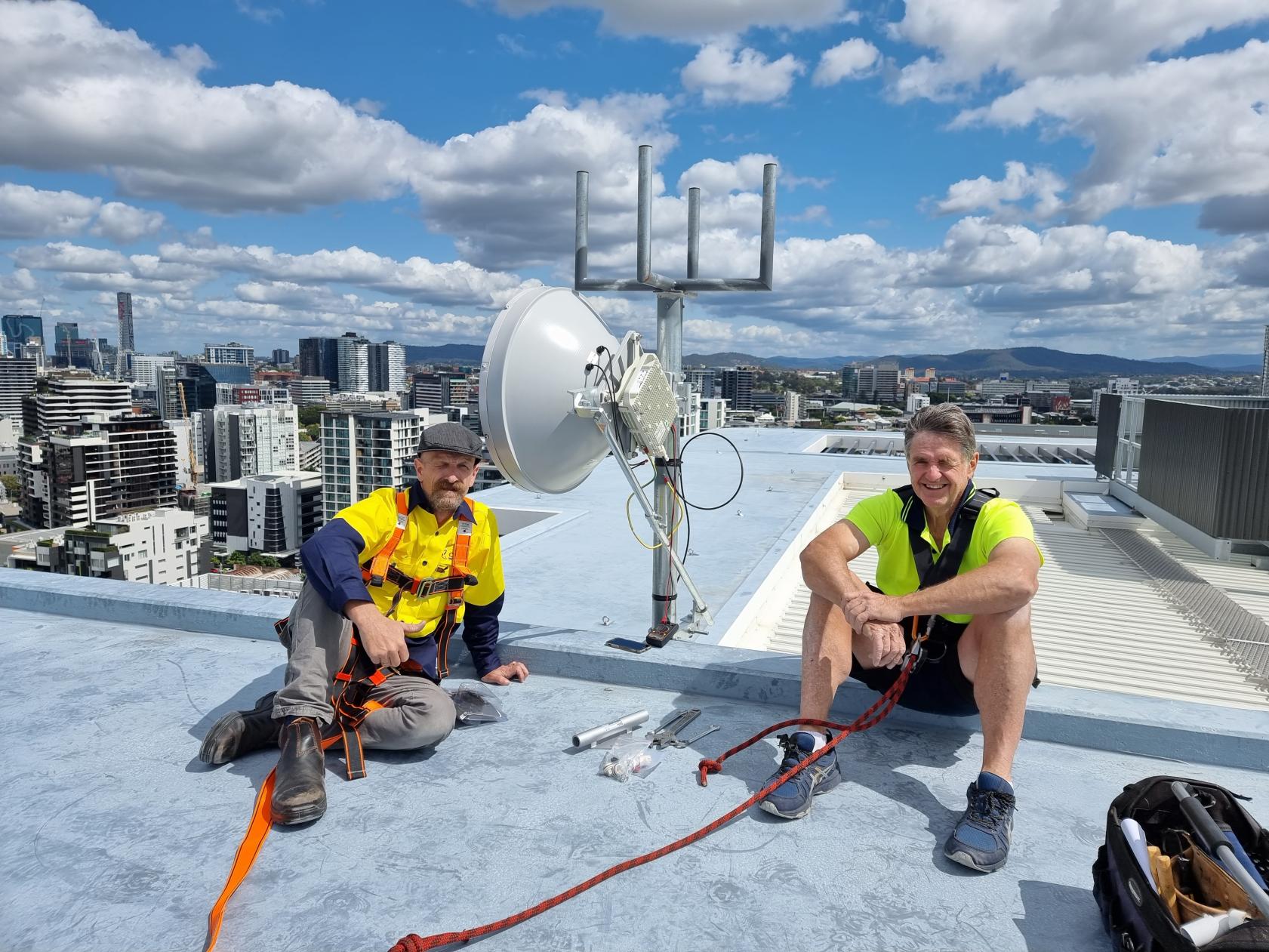
At West Village, Capti delivered a second independent fibre network within an established precinct already served by another fibre provider. The project demonstrates the work involved in bringing infrastructure choice through to residents’ homes.
At Southport Central, Capti’s full-fibre transformation covered three towers, including 788 apartments and commercial floors, using a 10Gbps-capable platform.
These are examples of delivered projects. A new development needs its own design, availability assessment and agreed service scope.
Define the commercial and resident experience
Before committing, establish who funds each part of the build, who owns the infrastructure and who maintains it. Ask about resident choice, service activation, equipment, support and any commitments that continue after handover.
A staged development also needs a staged connection plan. Confirm when each building or release can be commissioned, how residents order services and how faults are escalated once they move in.
For a rental-led development, read our build-to-rent connectivity guide.
Start with your development plans
Send Capti the site address, dwelling and tenancy counts, drawings and target completion stages. Include the resident services, shared spaces and building systems you want to support.
Discuss fibre for your development. We can assess the site and prepare a proposal that explains network capability, delivery responsibilities and the services available at handover.