What is Latency, and Why Does It Matter?
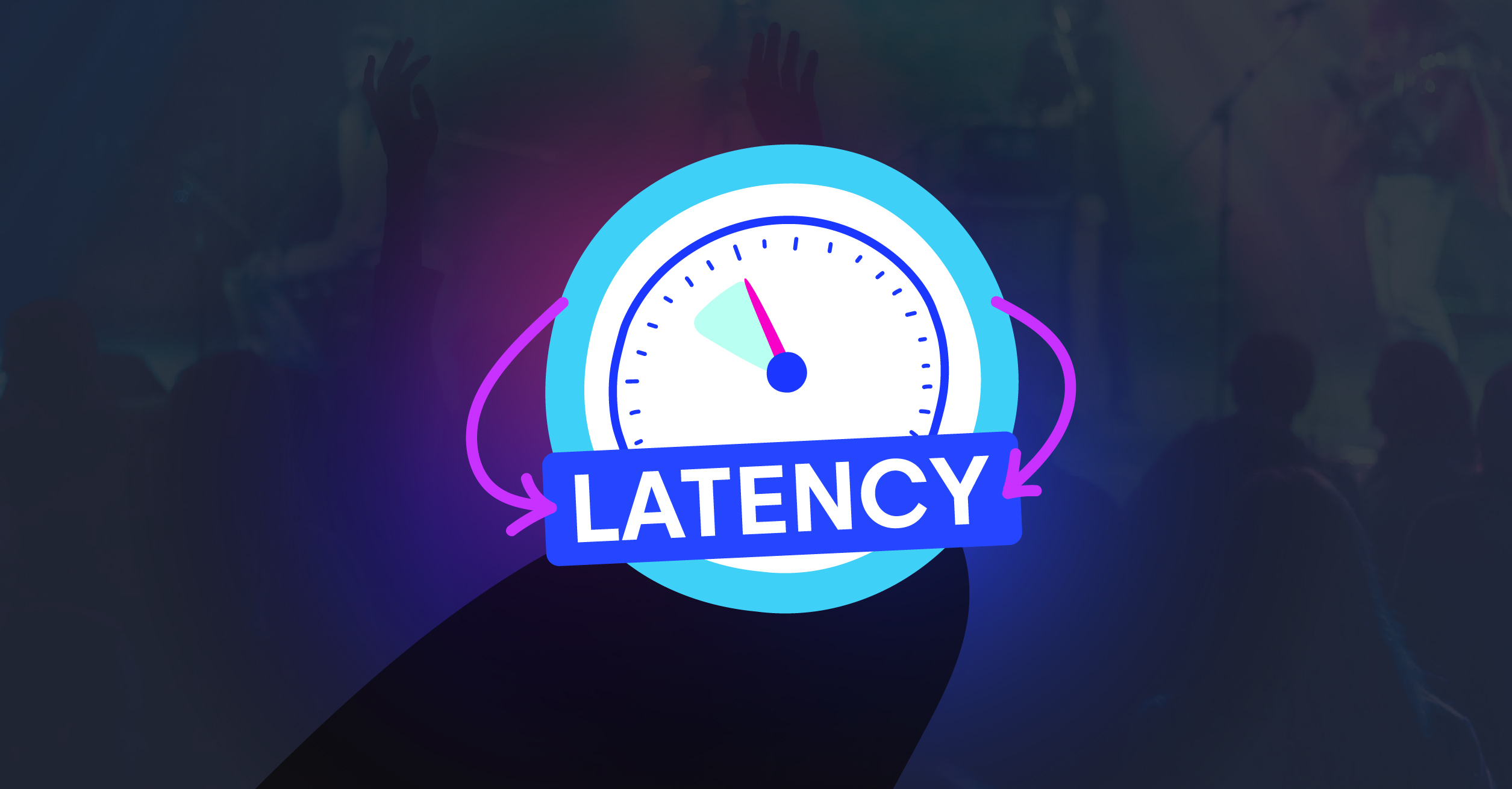
Latency is the time it takes for data to travel from your device to the internet server and back. Think of it as the “ping” or delay you might experience when a command is sent to an online application. A low-latency connection means less lag and quicker response times—critical for real-time tasks. This can be the difference between winning and losing in gaming or ensuring a seamless video call in remote work.
1. Real-Time Communication for Remote Work
With video conferencing, cloud applications, and real-time collaboration tools, remote workers need a reliable, low-latency connection to stay productive. When latency is high, video calls may have audio delays, screen-sharing can lag, and file uploads may take longer. This disruption affects work quality and can lead to frustration for employees and clients alike.
Low-latency internet enables:
- Clear video and audio calls without awkward delays.
- Quick access to cloud-based documents and collaborative tools.
- Efficient remote support for IT troubleshooting and secure access to office networks.
2. Gaming Performance: Every Millisecond Counts
Online gaming is highly sensitive to latency. For gamers, especially in competitive settings, every millisecond can impact performance. High latency causes “lag,” where actions like shooting, dodging, or moving don’t sync in real time with the game server, which can be detrimental.
Low-latency benefits for gamers include:
- Fast response times, meaning every in-game action occurs instantly.
- Consistent performance across multiplayer games, reducing frustrating disconnects.
- Improved ranking potential for competitive players, as low latency offers a competitive edge.
3. Enhanced Video Streaming and Augmented Reality (AR) Applications
Streaming 4K video or using augmented reality applications requires minimal delay for the best experience. Buffering, lagging, or desynced audio video are common with high latency, degrading the experience and interrupting focus.
Benefits of low-latency for streaming and AR include:
- Smooth, high-quality video playback without interruptions.
- Instant updates in AR applications, essential for fields like remote assistance or virtual training.
- Reliable live streaming, allowing users to interact in real-time without delays.
4. Increasing Demand for Low-Latency Solutions
As remote work and online gaming grow, so does the need for low-latency internet solutions. Recognising this, providers like Capti are focused on optimising network infrastructure to reduce latency. This includes using advanced routing, edge computing, and ensuring strong peering connections with major networks and data centres to shorten the distance between users and content.
5. How Capti Delivers Low-Latency Connections
Capti’s advanced infrastructure prioritises low latency by:
- Strategic data centres and peering close to key networks, reducing distance and transit time.
- Fixed wireless and fibre technology for stable, high-speed connections.
- Smart routing that optimises the path of data, reducing hops and minimising lag.
In summary, low-latency internet is crucial for seamless remote work, competitive gaming, and next-gen applications like AR and streaming. For businesses, gamers, and households alike, Capti offers optimised, low-latency internet solutions that make high-performance connectivity accessible.
For more detail, read about understanding Mbps and Gbps. Explore home internet availability for your location.