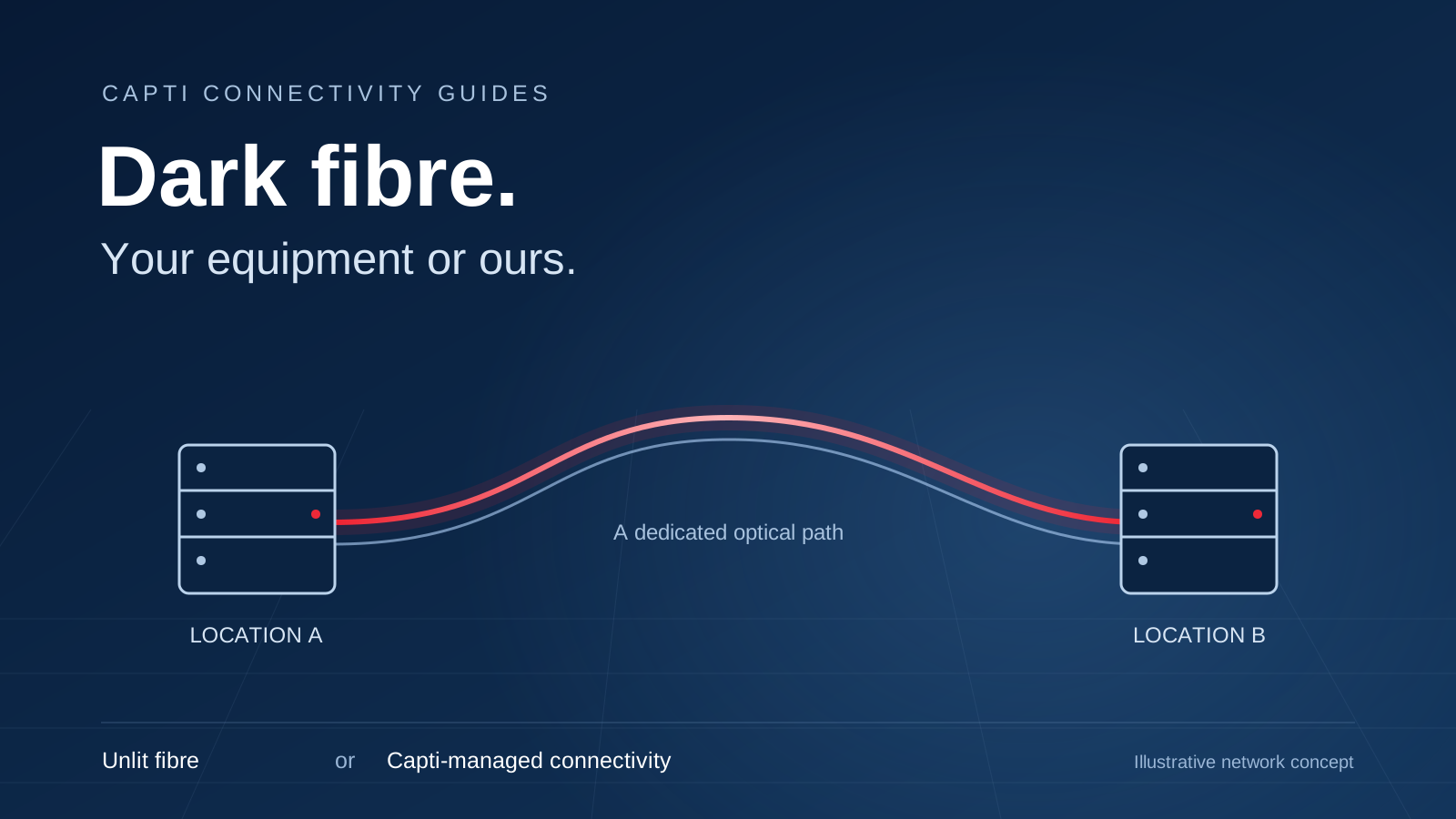
Starlink and terrestrial fixed wireless both deliver connectivity without a final fibre cable into the premises, but they use different network paths. This comparison looks at coverage, latency, installation and service terms to help businesses ask the right questions for their location.
Coverage and Accessibility
- Starlink's coverage extends globally, leveraging a constellation of low Earth orbit (LEO) satellites to reach even the most remote and underserved areas.
- However, the journey of data transmission with Starlink involves sending traffic to satellites located approximately 550 kilometers away in space. From there, the data is relayed back to designated landing stations, strategically located across Australia in areas such as Geraldton, Wagga Wagga, and Dubbo.
- From the landing stations, the data travels to the nearest data center, ensuring that users receive seamless connectivity regardless of their geographical location.
- While Starlink's coverage is extensive, the data transmission path involves multiple hops, which can introduce latency and potential points of failure.
- Capti's mmWave Fixed Wireless service offers localised coverage, focusing on delivering high-speed internet access to urban, suburban, and rural areas where deploying traditional wired infrastructure is challenging.
- The data transmission process with Capti's mmWave Fixed Wireless is remarkably efficient. It begins with a short journey of just a few kilometers from the user's location to a nearby tower equipped with mmWave technology.
- From the tower, the data is directly routed to the nearest fibre optic connection, ensuring a swift and reliable path to the data center.
- This direct, short-path transmission minimises latency and reduces the likelihood of disruptions, providing users with consistently high-speed internet access for their digital needs.
Speed and Performance
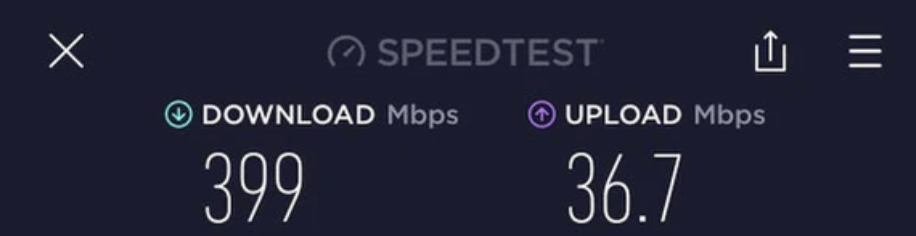
- Starlink promises speeds ranging from 50Mbps to 200Mbps, accommodating the majority of consumer and small business applications. While these speeds are significant, they do not reach the gigabit levels that Capti offers.
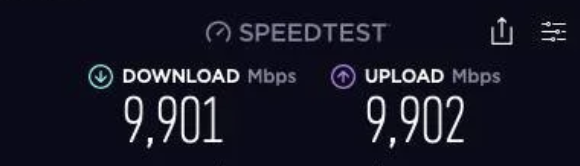
- Captiexcels by offering speeds that rival those of hardwired optic-fibre connections, reaching up to 10Gbps. This performance is tailor-made for bandwidth-heavy activities such as, cloud computing, and the delivery of large content. Its standout performance is especially advantageous for real-time applications.
Latency Jitter, and Delay
- Starlink has made considerable advancements in minimising latency for satellite internet, typically providing figures ranging between 25-60ms. This achievement is noteworthy within the satellite technology realm and adequately supports a wide array of online activities. However, it may still pose challenges for scenarios requiring ultra-low-latency performance.
- Capti's mmWave Fixed Wireless service offers latency options comparable to hardwired optic-fibre connections, ranging between 1ms to 10ms. This sets a revolutionary standard for internet services, particularly for real-time applications. The ultra-low latency facilitates almost instantaneous data transmission, significantly enhancing user experiences in demanding situations.
Contention and Data Caps
- Starlink operates without a hard data cap but introduces a soft cap at 1TB per month. Upon reaching this threshold, users are deprioritised, which might affect their internet speed during peak times. This approach ensures broad accessibility but may limit high-volume users.
- Capti offers a truly unlimited data experience, with no hard or soft caps on usage. Customers enjoy uninterrupted access and consistent performance regardless of their data consumption, making it an attractive proposition for heavy-duty users and businesses reliant on extensive data transfer.
SLA's and Weather Sensitivity
- Starlink's network, while innovative, is prone to weather interference, potentially affecting service during severe conditions. Though redundancy measures are in place, the absence of Service Level Agreements (SLAs) leaves users without formal reliability guarantees.
- Capti is engineered to withstand adverse weather, maintaining reliability with technology designed to meet stringent SLAs. This commitment to performance is underscored by its promise of up to 99.99% uptime, backed with on-site available in repair as low as 4 hours.
Cost, Installation, and Support
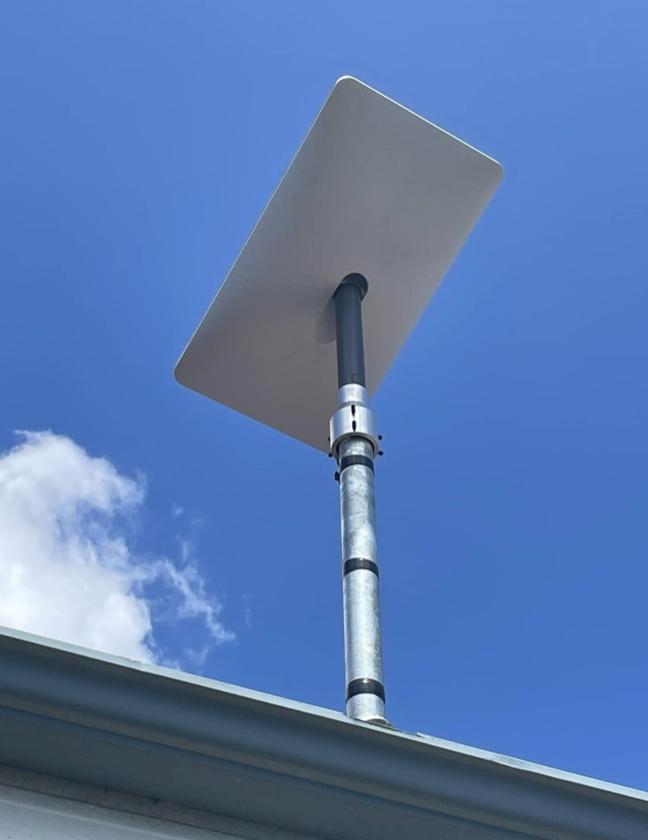
- Starlink's DIY installation model means that users are responsible for setting up the equipment themselves, which may pose challenges for those who are not technically inclined or require assistance. Furthermore, while Starlink offers customer support, it may not always be able to provide onsite assistance promptly or adequately address issues that require hands-on troubleshooting. This lack of onsite support could be a drawback for users who prefer or require immediate assistance from technicians during installation or technical difficulties.
- Capti, on the other hand, emphasises affordability with competitive pricing, lower deployment costs, and fully project-managed professional installation within days. Backed by a team of local experts, Capti ensures a seamless setup process and responsive support, guaranteeing customers receive the assistance they need without the complexities of DIY installation or the limitations of remote support.
Advanced Networking Features
- Starlink, aiming for broad coverage, currently lacks support for essential enterprise features like MPLS and Layer 2 Handoff, limiting its appeal to more complex business network infrastructures.
- Capti stands out by supporting MPLS, enabling businesses to create efficient, secure private networks with dedicated connections across multiple locations. Its Layer 2 handoff capability at Australian data centers allows seamless network infrastructure integration, catering to sophisticated enterprise needs.
Environmental Impact and Data Security
- Starlink grapples with challenges surrounding space debris and light pollution, prompting concerns about its long-term environmental footprint. Additionally, data privacy and security issues may arise within its global network due to varying regulatory landscapes. As an offshore-owned entity, ensuring data sovereignty and compliance can pose additional complexities.
- Capti mitigates environmental impact by minimising the necessity for extensive infrastructure, thus reducing its carbon footprint. Moreover, it prioritises data privacy and security through rigorous encryption measures and strict adherence to privacy regulations. With 100% Australian ownership and data termination in local data centers, Capti assures customers of data integrity and confidentiality, guaranteeing that their data remains within national borders.
Conclusion
When comparing Starlink's global satellite service with Capti's mmWave Fixed Wireless, each presents unique advantages tailored to different user needs and scenarios. Starlink offers broad coverage and innovative access in remote areas, while Capti excels in providing localised high-speed, reliable connectivity with true unlimited data, advanced networking features, and robust support.
The choice between these services will hinge on specific considerations such as coverage requirements, speed and performance expectations, reliability, advanced network needs, and budget constraints. For users prioritising high-speed, dependable internet access with no data limitations and comprehensive customer support, Capti's mmWave Fixed Wireless emerges as a compelling option, ready to meet the demands of today's digital world.
Example Photos
Starlink Speedtest
Capti mmWave Speedtest
Starlink Customer Dish
10Gbps mmWave Customer Dish
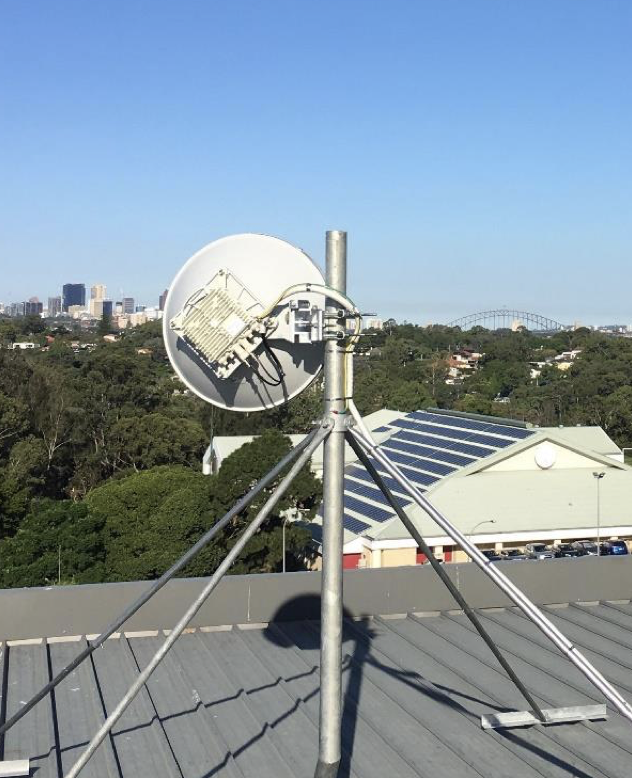
Starlink Transmission Site

Capti mmWave Transmission Site
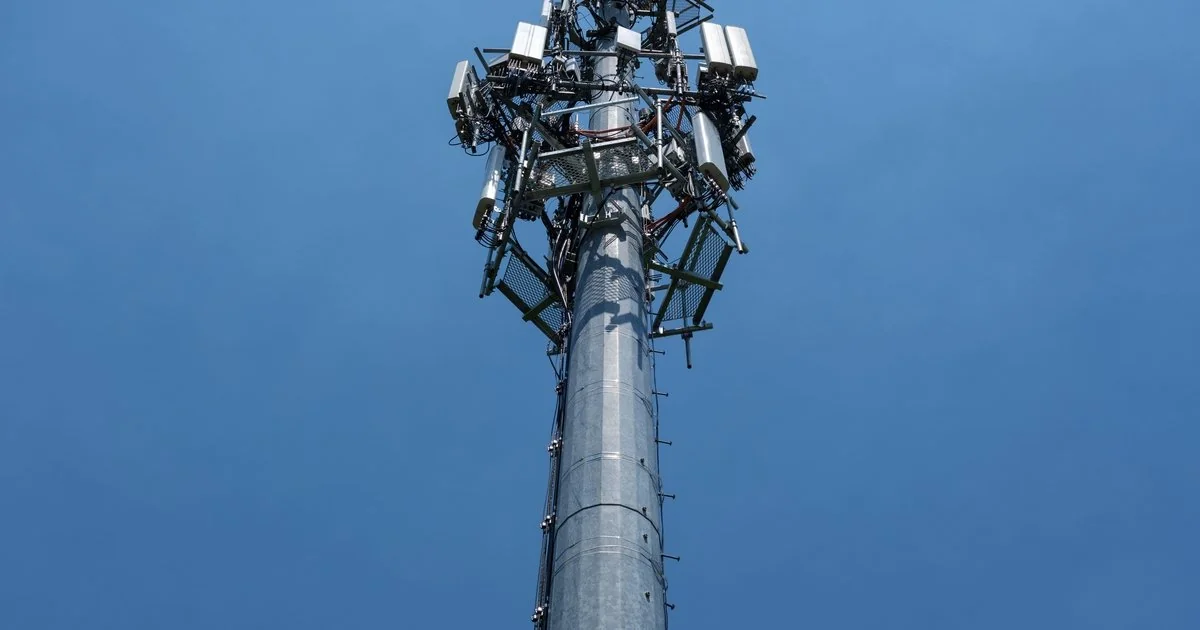
For more detail, read about the Tangalooma resort microwave project. Explore fixed wireless connectivity for your location.